

Maria T.
23 donations since 2016
O+"My daughter needed four units before I ever gave one."
Maria T.
23 donations since 2016
O+"My daughter needed four units before I ever gave one."
Scroll to meet the people behind every unit
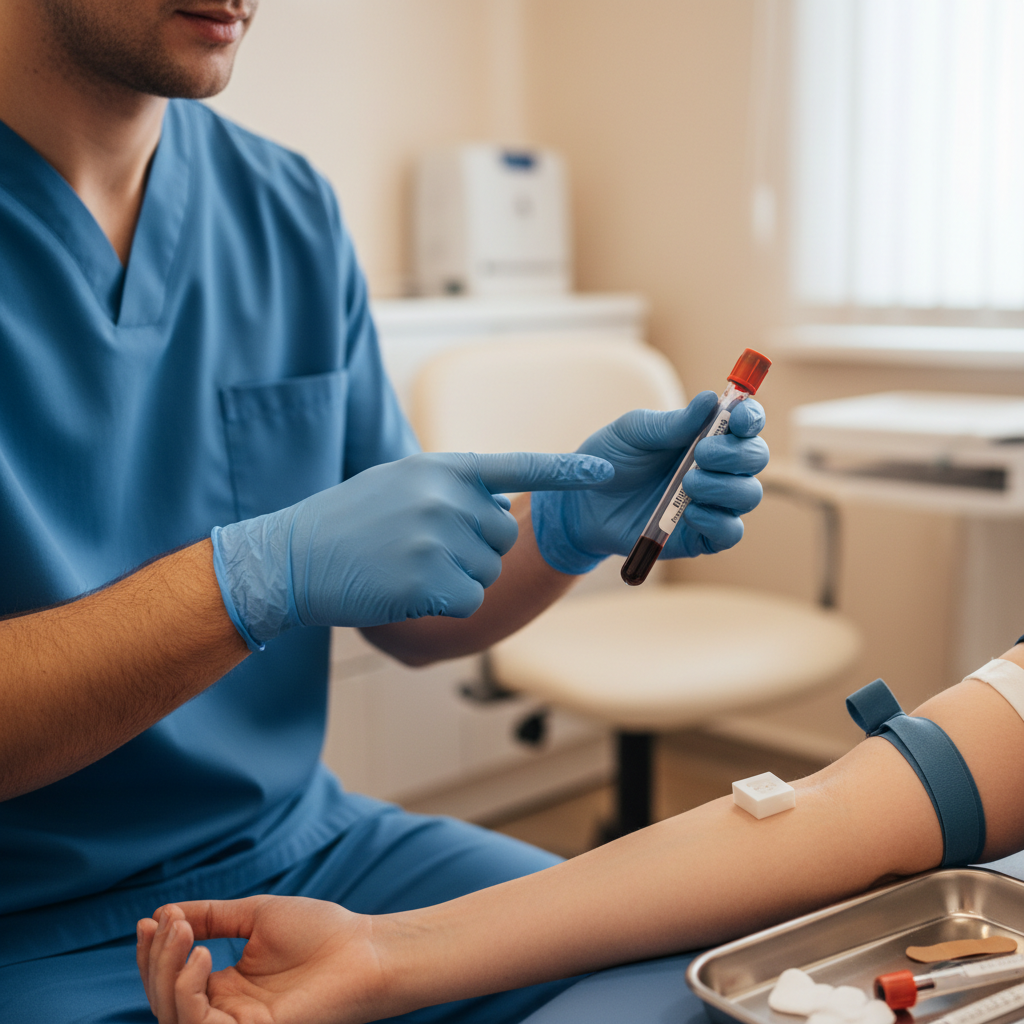
Daily need
~36,000
units of red cells needed per day in the US
The People in the Chain · 01
There are eight blood types: A+, A−, B+, B−, O+, O−, AB+, and AB−. People with O− are universal donors — everyone can receive their blood. People with AB+ are universal recipients — they can safely receive any blood type.
Every blood type is vital to maintaining a diverse national blood supply. Common types have higher demand; rare types have a smaller donor pool. All of them matter.
All 8 Blood Types
Someone needs blood every 2 seconds in the United States. A single car accident victim can require as many as 100 units.
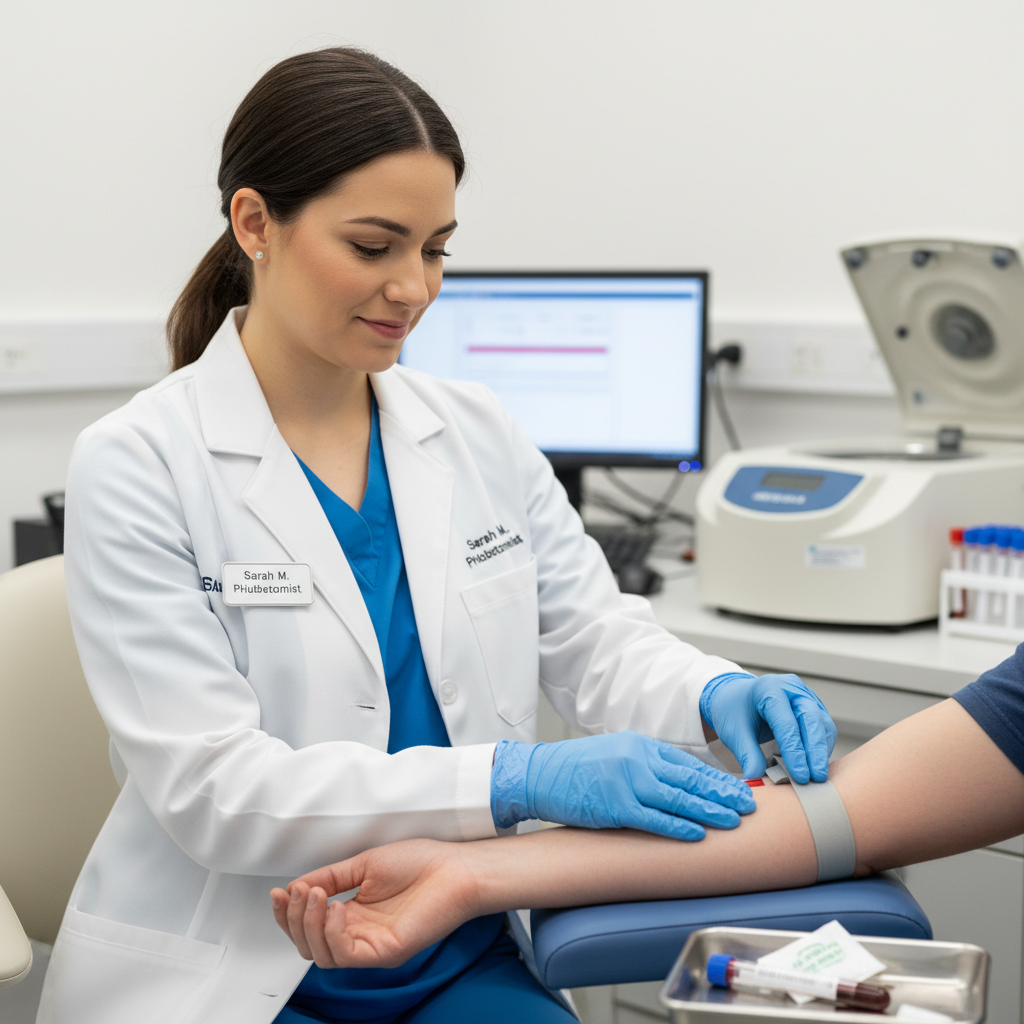
Jordan M. — Phlebotomist, 9 years
"Every type is precious. I've seen the relief on a surgeon's face when the right unit arrives."
The People in the Chain · 02
Whole blood is separated via centrifuge into components within hours of collection. Red blood cells are refrigerated at 1–6 °C and can be stored for up to 42 days. Platelets — the most perishable component — must be used within 5–7 days.
Thirteen tests are performed on every unit, including eleven screens for infectious diseases. The nation's blood supply must cover daily needs and be immediately available for unexpected emergencies — it must be replenished year-round.
Donation
~10 min draw
Centrifuge
~2 hrs
13 Tests
11 disease screens
Cold Storage
1–6 °C
Transport
Insulated cooler
Hospital
Ready to use
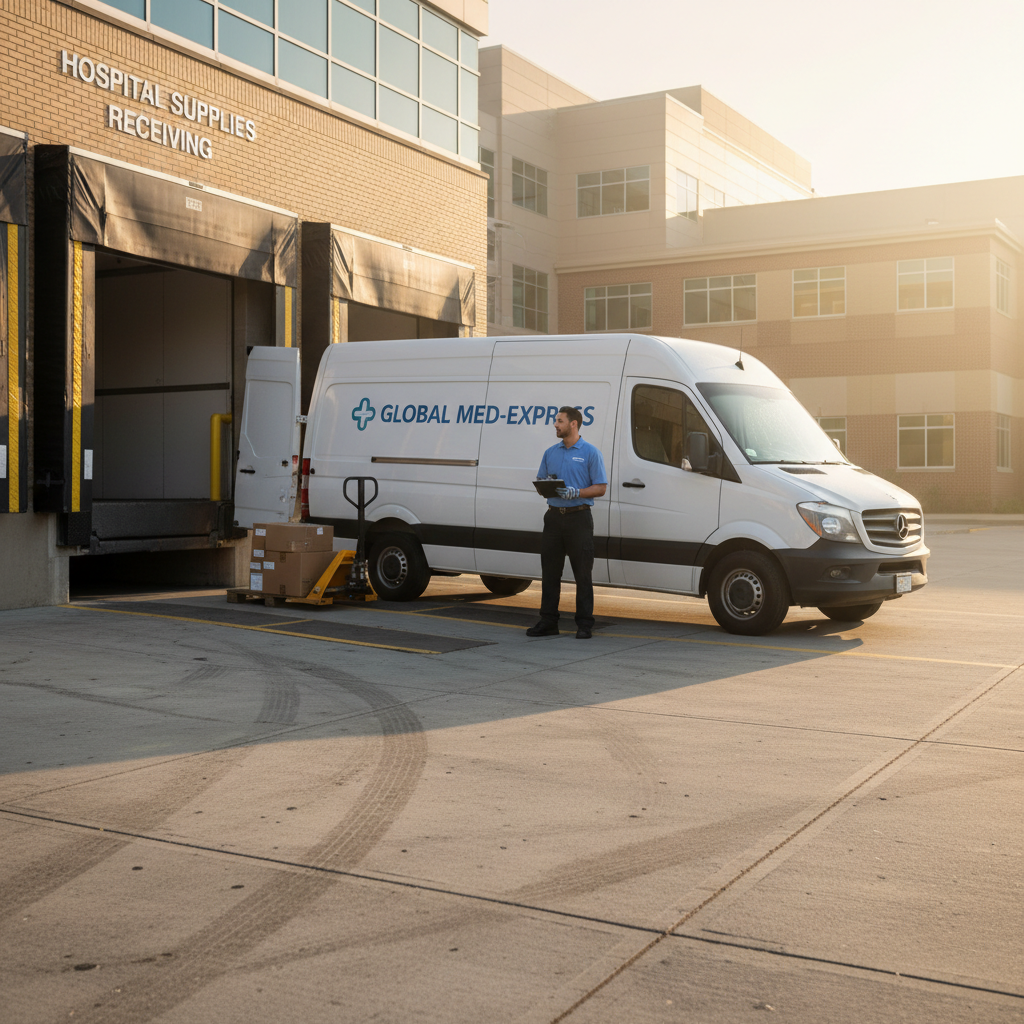
Darnell W. — Cold-Chain Driver, 6 years
"I drive 4 AM routes because someone in the OR can't wait until 9."
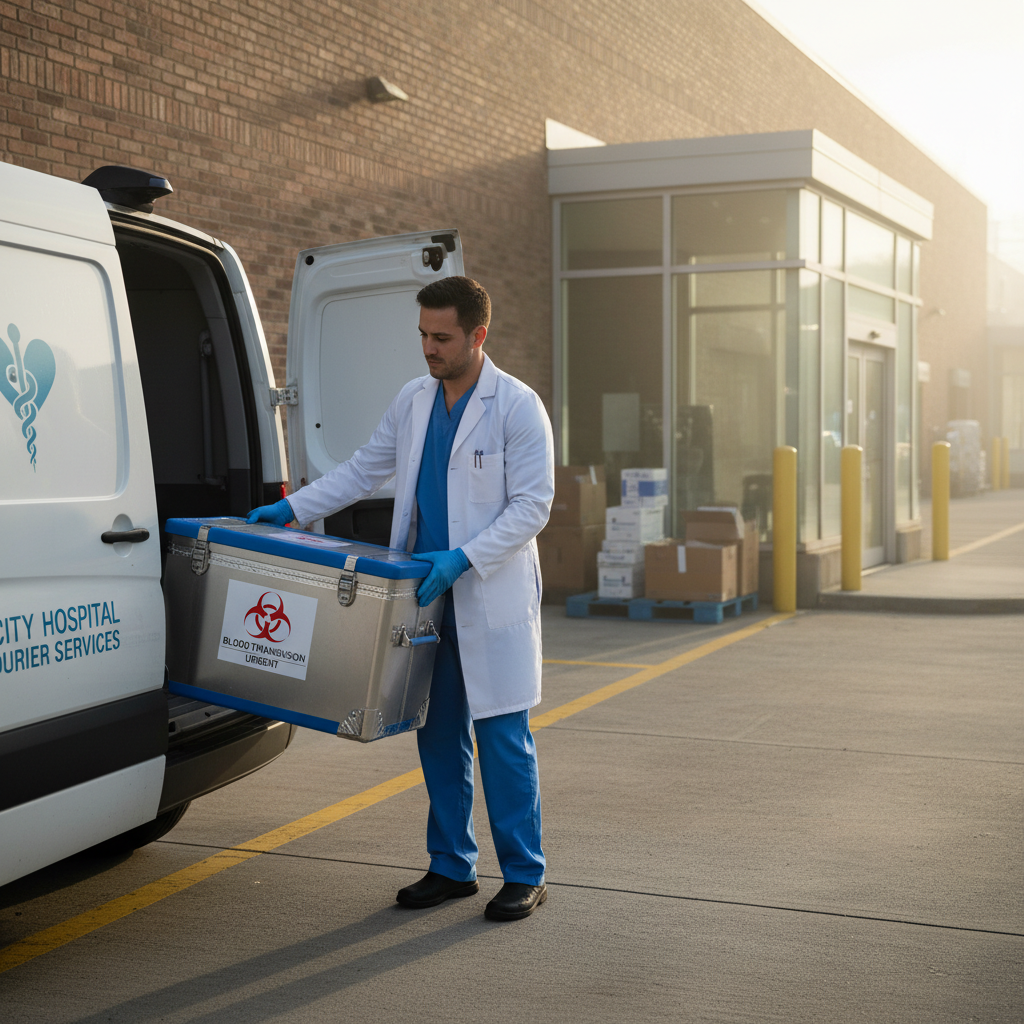
Tests per unit
13
checks before any unit reaches a patient

The Nguyen Family
30-second story · Their words
The People in the Chain · 03
The Nguyen family received six units of blood across two emergency surgeries in 2023. They asked us to answer every question they wish they'd known before.
Most donors feel a brief pinch when the needle is inserted — about 1–2 seconds. After that, the draw is painless. The needle is sterile and used only once.
Iron recovery: Your body replenishes iron stores within 4–8 weeks on a normal diet. Eating iron-rich foods the day before and after donation helps. Whole blood donors wait 56 days between donations.
Ready to donate?
Enter your zip code to see the three nearest upcoming drives with open appointment slots.
For coordinators
Church parking lots, corporate break rooms, school gymnasiums — we bring everything. You bring the community. Together we keep the shelves stocked.